
Kliešte

Kliešte na hadicové svorky Súprava na odstraňovanie automobilového drôtu Pružina s dlhým dosahom Kliešte na hadicovú svorku Auto Chladič Vyhrievací pásik Plochá alebo veľká svorka

Professional Automatic Wire Stripper Cutter Crimper Tool For Electricians - Multi-Function Fiber Optic Cable Stripper With High Carbon Steel Blades

Automotive Line Breaker Kliešte Odpájacie kliešte Viacúčelové kliešte Kliešte na strihanie drôtov Elektrické odpájacie kliešte
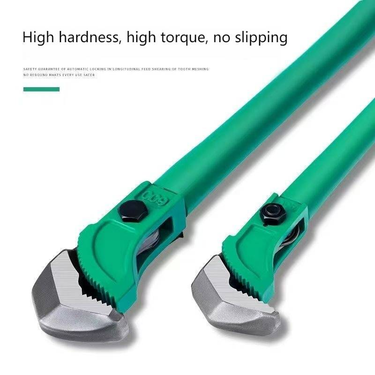
Heavy-Duty Torque Wrench For Rebar & Pipe - Chromium Vanadium Steel Construction - 450mm/600mm Length Options - Ideal For Steel Framing & Bridge Work

Špeciálne kliešte na olejové potrubie do auta, rýchlospojka, demontáž palivového potrubia, spojovacie armatúry benzínového potrubia, strmeň, nástroj na opravu auta

Professional Crimping Tool For Electrical Wiring - Heavy Duty S2 Alloy Steel Pliers With Ergonomic Handle, Ideal For Tube Terminals 6-4 & 6-6

Wire Stripping Pliers Electrician Special Wire Pliers Multi Function Wire Splitting Pliers Wire Cutting Cable Wire Fiber Optic Cutting Pliers

Professional Multi-Function Wire Stripper - Carbon Steel Blade, Crimping & Cutting Tool For Electricians & DIY Enthusiasts
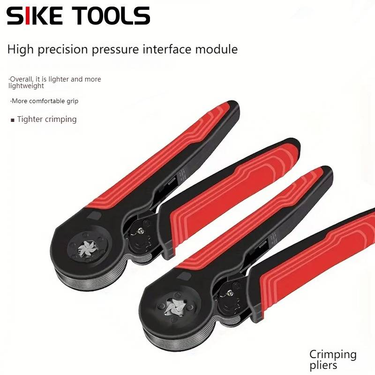
Professional European Style Terminal Crimping Pliers With Hexagonal Needle Insulation For Electrical Wiring
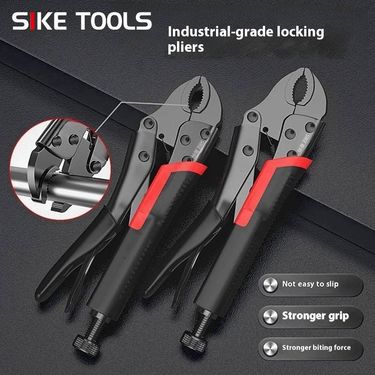
Adjustable Heavy Duty Clamp Multi-Function Pliers With Durable Carbon Steel Jaws For Industrial & Home Use

Professional Electrician Wire Stripper, Multi-Function Crimping Tool With Self-Adjusting Jaws For 10-24 AWG Cables, Chromium-Vanadium Steel Blades

Multifunctional Hose Clamp Pliers Tool - Professional Automotive Repair & Household Use, S2 Alloy Steel Jaw, Chrome Plated, Ergonomic Design

Stainless Steel 8-in-1 Multifunctional Wire Stripper Cutter With Voltage Tester - Electrician Pliers For Cable Stripping, Crimping, Cutting

Heavy-Duty European-Style Pipe Wrench – High Carbon Steel Jaw, Adjustable Grip (10"/12"/14"/18" Sizes) For Plumbing, DIY & Repair

Professional Punch Down Tool For Network Cables, Telephone Wires & Patch Panels - Multi-Function Impact Punching Tool With 2mm Blade & 45° Tip

Professional Ratcheting Crimping Tool For RJ45/RJ11, Dual-Color Ergonomic Network Cable Crimper With Carbon Steel Blades

1 sada klieští na očká s priemerom 1/4 palca, sada klieští na dierovanie očiek so 100 kovovými očkami, sada náradia na očká pre kožené látky

5-palcové uzamykacie kliešte Uzamykacie kliešte Kliešte so zakrivenými čeľusťami Rovné kliešte s dlhými čeľusťami Multifunkčné zváracie nástroje

Krimpovacie nožnice na káble Nastaviteľné automatické odstraňovače drôtov Multifunkčné odstraňovacie kliešte Krimpovacie kliešte Ručný koncový nástroj

Krimpovacie kliešte 10 v 1 Odizolovacie kliešte Multifunkčné krimpovacie krúžky Elektrikár Lúpanie sieťových káblov Nástroje na odizolovanie
Pliers: The Tool You Grab When Things Shouldn’t Move
You usually don’t plan to use pliers. You reach for them when something slips, twists, won’t hold, or can’t be turned by hand. That might be a wire that needs bending, a clip that needs removing, or a part that must stay still while you work on it.
Pliers are not about speed or power. They are about control—especially in situations where fingers are not enough and wrenches are too blunt.
Typical Problems That Call for Pliers
Most users pick up pliers when dealing with one of these situations:
- A small part needs to be held firmly without rotating
- A wire needs to be bent, twisted, or pulled into position
- A clip or ring needs to be removed without damaging nearby parts
- A component must stay aligned while another tool is used
If your first thought is “this keeps slipping” or “I need a better grip,” pliers are usually the right category.
Snap Ring Pliers: When Removal Needs Control, Not Force
Retaining rings are designed to hold components in place under stress. Removing them incorrectly often leads to warped rings, scratched housings, or lost parts.
Snap ring pliers are made specifically for installing and removing these rings by expanding or compressing them evenly. Using regular pliers here is a common mistake—it increases the chance of slipping and damaging the ring or the surrounding assembly.
You typically use snap ring pliers in mechanical repairs, gear systems, or any assembly where components are secured internally rather than with fasteners.
Slip Joint Pliers: Flexible, but Not for Everything
Slip joint pliers are often the first pliers people own because they adjust to different sizes. They’re useful for gripping, holding, or turning objects when exact sizing isn’t critical.
They work well for light-duty tasks, quick fixes, and irregular shapes. However, they are not ideal for high torque or precision work. Overusing slip joint pliers for tasks they’re not suited for often leads to rounded edges or hand fatigue.
Think of them as a general helper, not a solution for every problem.
Lineman Pliers: Built for Repeated Stress
If your work involves thicker wire, tougher materials, or repeated twisting and cutting, lineman pliers are the tool designed for that load.
They are heavier and more robust than general-purpose pliers, with jaws designed to grip firmly and cut cleanly. These are commonly used in electrical work, construction, and maintenance tasks where durability matters more than compact size.
When force and reliability matter, lineman pliers are usually the safer choice.
Using Pliers Alongside Other Tools
Pliers rarely work alone. They often support other tools rather than replace them. For example, you might hold a part steady with pliers while checking alignment or dimensions with measuring tools before making adjustments.
They are also part of a broader hand tools category, which includes knives, screwdrivers, wrenches, and chisels. Each of these tools handles force differently: cutting, turning, striking, or holding. Pliers fill the “holding and controlling” role within that system.
Understanding this role helps avoid misusing tools for tasks they weren’t designed for.
Common Mistakes Users Make with Pliers
A few patterns show up again and again:
- Using adjustable pliers when a fixed or specialized design is needed
- Applying excessive force instead of choosing the right jaw shape
- Using pliers as a substitute for a wrench or cutter
These mistakes don’t usually cause immediate failure, but they do lead to damaged parts and unnecessary strain.
Storage and Access Matter More Than You Think
Because pliers are used reactively, access matters. If they’re buried at the bottom of a box, users often grab the wrong tool instead.
Using tool organizers helps keep different types of pliers visible and accessible, reducing misuse and saving time during tasks. This is especially important in shared or multi-tool environments.
Choosing Pliers Based on Use, Not Labels
The most useful way to choose pliers is not by name, but by task. Pliers are simple tools, but using the right type makes work smoother, safer, and more predictable.
 4.4 z 5 na základe recenzií 9,249